Overview
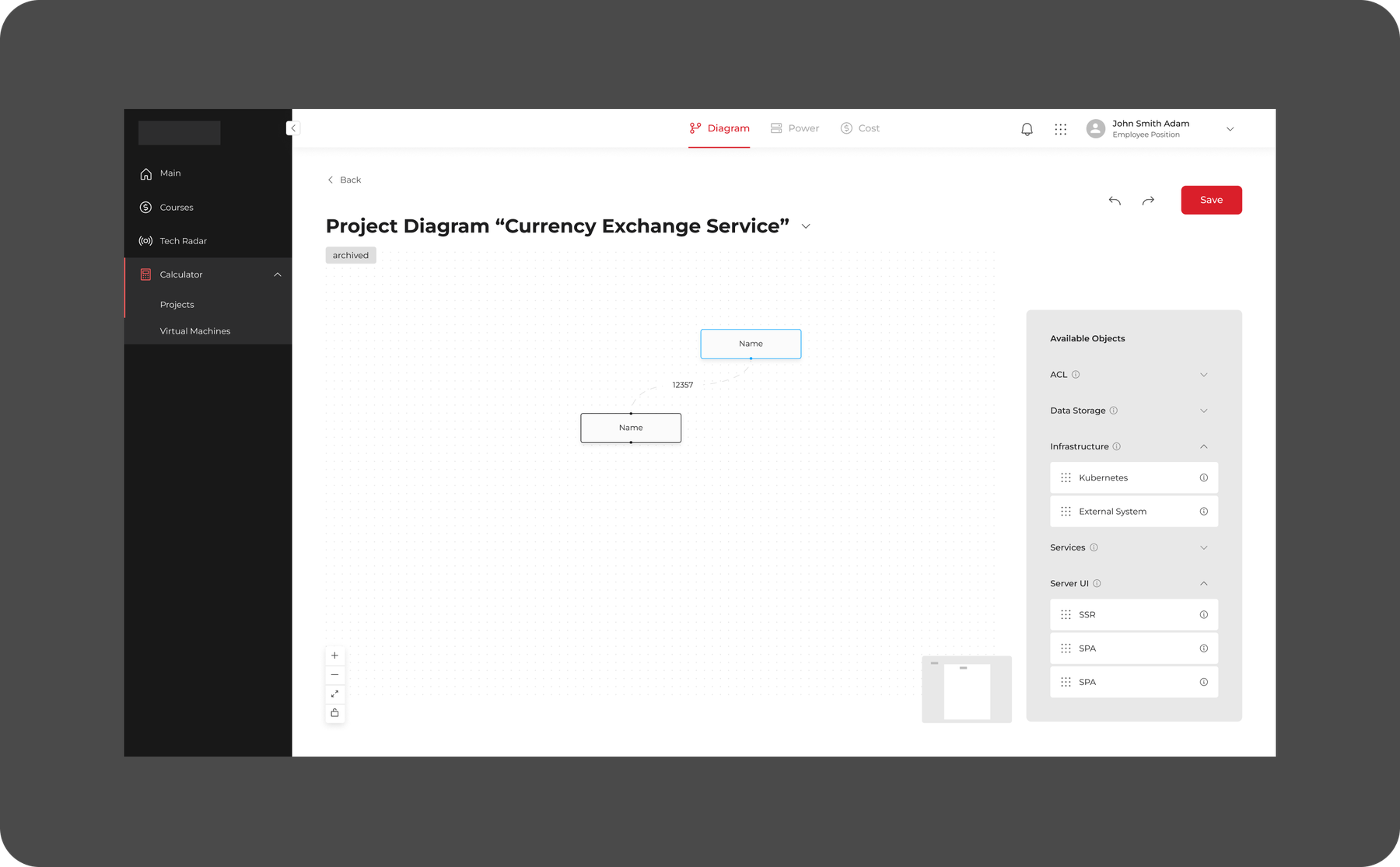
Redesigned a legacy internal enterprise system used by IT teams, logistics specialists, warehouse employees, and operational teams, transforming an outdated, technically-driven tool into a modern, role-based SaaS platform.
I worked as a Product Designer in collaboration with analysts, solution architects, developers, and business stakeholders to rethink existing processes and create a scalable product experience.
Challenges
- The legacy system had a complex and outdated interface that was difficult for employees to understand and use.
- Workflows built around technical/system logic rather than user needs.
- Departments had distinct processes requiring different tools and access levels.
- Lack of a unified structure made it difficult to scale the platform and introduce new features.
- Employees lost time searching for information and doing routine tasks manually.
Goals
- Transform legacy app into a modern SaaS platform
- Clear modular structure for different user groups/roles
- Simplify and make workflows more intuitive
- Improve data visibility and cross-department collaboration
- Build a scalable foundation for future development.
Research & Discovery
To understand existing workflows and user needs, I conducted qualitative research with internal users and key stakeholders.
Close collaboration with domain experts, analysts, architects, developers, and employees from different departments allowed us to gather continuous feedback through interviews, discussions, workflow analysis, and usability testing.
One key insight was that the main challenge was not only the outdated interface, but also fragmented workflows and difficulty accessing relevant information. This shifted our focus from simply modernizing the UI to restructuring workflows and information architecture around real user needs.
Result
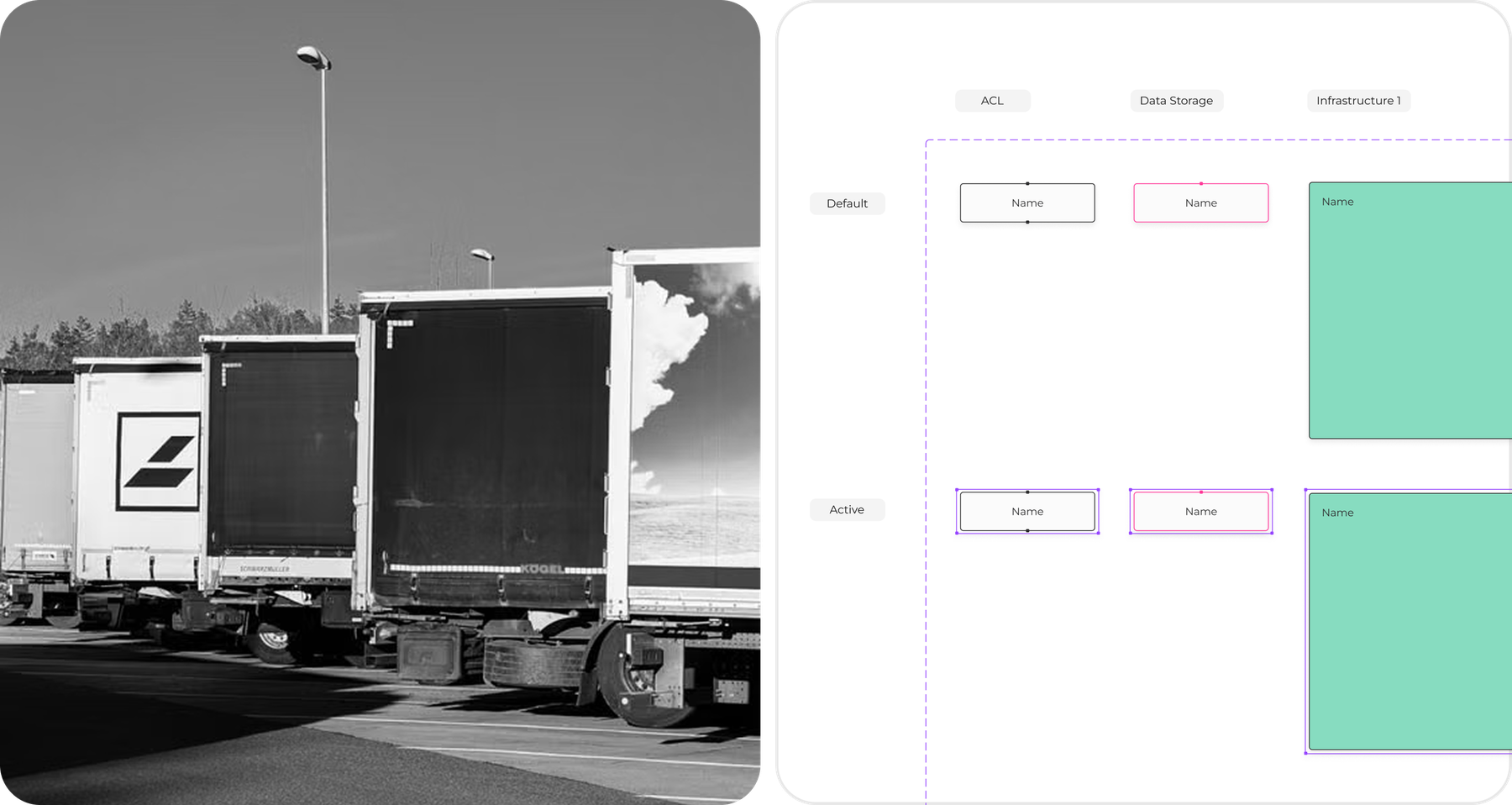
Delivered a modern, structured, role-based workspace that improved usability across departments and simplified access to operational data.
The redesigned platform reduced the time required to find information and resolve operational requests by 40–55%, helping employees work more efficiently and reducing friction in daily workflows.
The new architecture also created a scalable foundation that was easier to maintain and extend as business needs evolved.